
Home › Massachusetts
A Massachusetts Homeowner's Guide to New Fences, Pool Fences and Fence Repair
We take fence requests from three parts of the state: Greater Lowell; Andover, Lawrence and Haverhill; and Woburn, Reading and Melrose. The state code decides when a fence needs a building permit, your town's zoning decides how tall it may be and where it can stand, and Dig Safe needs to hear from you before the first post hole. Phone (978) 800-2452 or use the form. A person reads every request and replies with what happens next.
- No cost to you
- State fence rules, plainly put
- Lowell to Melrose
Ask About Fence Service in Your Area
Tell us about the yard and the fence you want. A fence contractor that works nearby will phone you.
Please add your name, a 10-digit phone number and a valid email.
Your request didn't go through on our end. Please call (978) 800-2452 so it isn't lost.
Too many requests have come from this connection in a short time. Please call (978) 800-2452 and we'll take it from there.
We couldn't finish the spam check. Wait a moment and send it again, or call (978) 800-2452.
Where we work
Our Massachusetts towns
Massachusetts has one building code, but fence height, setback and permit rules mostly live in each town's zoning bylaw, and each town has its own building department to apply them. Where we have a town page, it sets out that town's fence rules, any pool barrier or historic district review, and the homes and lots typical there. Towns without a page yet are still covered, and we welcome requests from them.
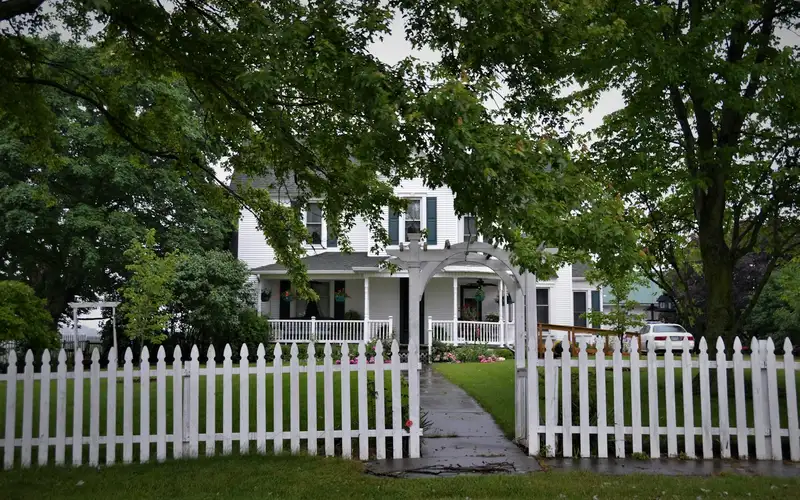
Greater Lowell
Andover, Lawrence & Haverhill
Woburn, Reading & Melrose
Massachusetts law
Registration, permits and the seven-foot line
Fence-only contractors are exempt from HIC. State regulations exempt "any contractor or subcontractor who works exclusively in" certain home improvement areas, and "fencing or freestanding masonry walls" is one of them, alongside landscaping, above-ground pools and driveways (201 CMR 18.01). The state's chart agrees, marking its Fencing row "no" for Home Improvement Contractor registration (OCABR contractor resources). The exemption turns on the word "exclusively": a company that also builds decks, in-ground pools or other covered work is not a fence-only contractor and must be registered. Look any company up on the state's Contractor Hub.
Construction supervisors and the chart. The chart's Fencing row reads "maybe" for a construction supervisor license and "maybe" for a building permit, with the note "Building permit or CSL not required if fence is under seven feet high." Exterior retaining walls are marked for both "if greater than 4 feet in height." The state calls the chart "general guidance only" and encourages owners to consult the building official (HIC contractor resources).
What the building code says. The 10th edition residential code, which adopts the 2021 International Residential Code with Massachusetts amendments, has been in effect since October 11, 2024 (state building code page; 780 CMR Chapter 1). Its list of work exempt from a building permit includes "Fences not over seven feet (2,134 mm) high" and retaining walls not over four feet, measured from the bottom of the footing to the top of the wall, unless the wall supports a surcharge. The list opens with a caveat for activities that may need a permit under other laws (780 CMR R105.2). Note the two wordings: the code exempts a fence of exactly seven feet, while the chart's cutoff is "under seven feet," so a seven-foot fence is worth a call to the building official.
Zoning still applies. The state exemption covers the building permit only. Fence height near streets, sight lines at corners and setbacks from lot lines are matters for town zoning, which may also require a zoning or fence permit of its own. Ask the building or zoning office before materials are ordered, and if you aren't sure where the property line is, a survey or the town's records are the place to start.
Contracts and the Guaranty Fund. The state's written-contract rules and its one-third deposit cap sit in the Home Improvement Contractor law, which covers agreements for residential contracting over $1,000; the state does not spell out how they apply to a fence-only contractor (M.G.L. c.142A §2). The Guaranty Fund repays up to $25,000 of actual losses (figure as of November 2026) caused by a registered contractor, and a homeowner who hires an unregistered one is not eligible to apply (OCABR homeowner resources). Because a fence-only contractor is lawfully unregistered, the fund will generally not reach a fence-only job, so get the scope, materials, price and payment schedule in writing and keep the deposit modest.
Last verified November 2026. Fees, restrictions and deadlines on this page are due for re-checking by November 2027.
Pools, digging and neighbors
Pool barriers, post holes and spite fences
Pool barriers. The residential code points to "the International Swimming Pool and Spa Code 2021 as amended" for pools (780 CMR R101.4.15), and the state amendment in the base code requires the design and construction of pools, spas and hot tubs to comply with that code (780 CMR 3109.1). No Massachusetts change to the barrier provisions was found, so a pool fence follows the 2021 code as Massachusetts adopts it, checked by your local building official. The state chart marks both above-ground and in-ground pools yes for a building permit (HIC contractor resources).
Federal pool fence guidance. The Consumer Product Safety Commission's barrier guidelines are advice, not a mandatory standard, and never replace adult supervision. They call for a barrier top at least 48 inches above grade, no more than 4 inches of clearance at the bottom (2 inches over grass or gravel), and no opening a 4-inch sphere can pass. Horizontal rails less than 45 inches apart belong on the pool side, with vertical gaps no wider than 1¾ inches, and chain-link mesh should be no larger than 1¼ inches square unless slats close it down to 1¾ inches. Gates should open outward from the pool and close and latch on their own; a release less than 54 inches above the bottom of the gate goes on the pool side, at least 3 inches below the top. Where a house wall forms part of the barrier, door alarms are advised, and above-ground pool ladders should be secured, locked, removed or fenced (CPSC Pub. 362).
Dig Safe before post holes. State law defines excavation broadly, "including, but not limited to, digging, blasting, augering," and makes no exception for property owners or hand tools in that definition (M.G.L. c.82 §40). Notice must be given at least 72 hours ahead, exclusive of Saturdays, Sundays and legal holidays, but not more than 30 days before digging, with no more than 500 feet of the dig premarked (M.G.L. c.82 §40A). Dig Safe says both property owners and professional contractors are required to notify it, that Massachusetts tickets expire 30 days after issue, that Patriots' Day counts as a holiday, and that you must keep the utilities' marks in place (how Dig Safe works). Call 811 or 888-DIG-SAFE; the service is free (Dig Safe).
Spite fences. A fence "which unnecessarily exceeds six feet in height" and "is maliciously erected or maintained for the purpose of annoying" the neighbors "shall be deemed a private nuisance," and the neighbor may bring a tort action for damages (M.G.L. c.49 §21). All three parts must be present, so height alone does not make a six- or seven-foot privacy fence a spite fence. For a disagreement about the line itself, a survey and the town are the starting points; this page is not legal advice.
What we refer
Fence jobs, explained for Massachusetts homeowners
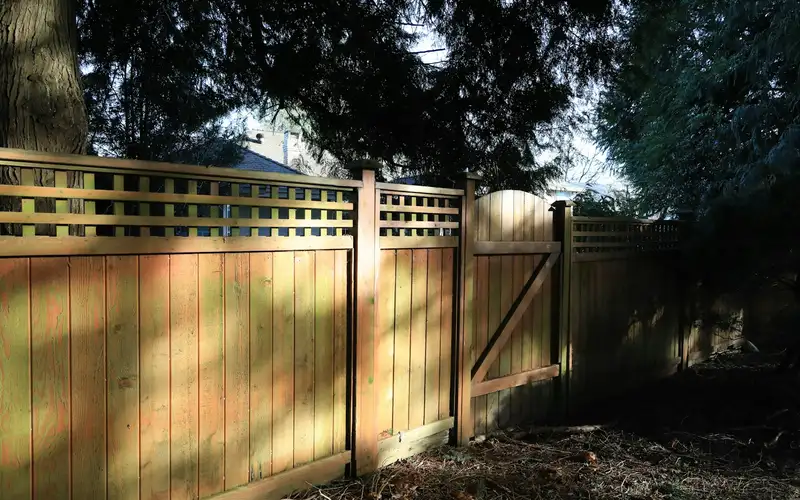
Wood Fences
Privacy, picket, stockade and split-rail fences in cedar or pressure-treated lumber, new or replaced.

Vinyl Fences
Low-upkeep PVC privacy, semi-privacy and picket fences, with matching gates.
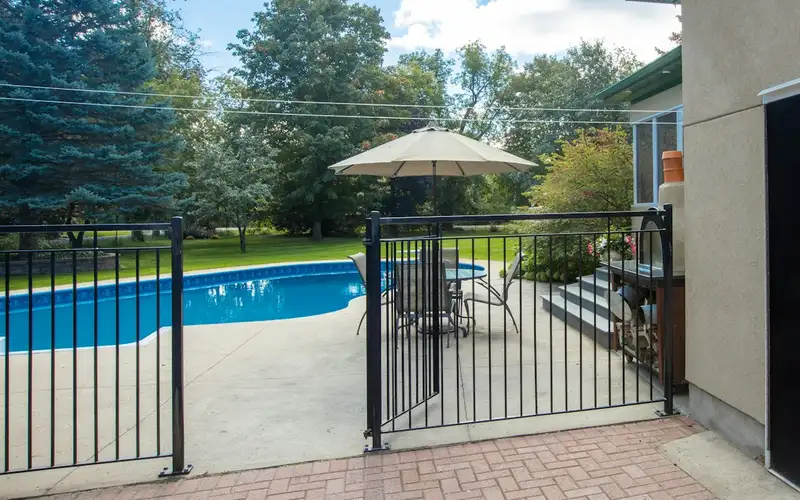
Chain Link & Aluminum
Galvanized or coated chain link and ornamental aluminum, including pool enclosures built to code.

Fence Repair
Leaning or rotted posts, sagging gates, storm-damaged sections and broken pickets or panels.
FAQ
Common Massachusetts fence questions
Does a fence need a building permit in Massachusetts?
The state building code puts fences not over seven feet high on its list of work that needs no building permit, and the state contractor chart words the cutoff as under seven feet. Your town's zoning can still limit height and placement or require its own permit, so ask the building or zoning office before you build.
Does my fence contractor have to be HIC registered?
Not if it works only on fences: state regulations exempt fence-only contractors from registration. A company that also builds decks, in-ground pools or other covered home improvement work does need a registration, which you can look up on the Contractor Hub. Keep in mind that the Guaranty Fund is open only to homeowners who hired a registered contractor.
Do I really have to call Dig Safe for a few post holes?
State law counts digging and augering as excavation, and Dig Safe says property owners and contractors must both notify it, naming a fence on your own property as an example. Call 811 at least 72 hours ahead, not counting weekends and legal holidays, and no more than 30 days before you dig. It costs nothing.
How tall does a pool fence need to be?
Pool barriers fall under the state building code, which adopts the 2021 International Swimming Pool and Spa Code, and your building department enforces it. Federal CPSC guidance calls for at least 48 inches, with self-closing, self-latching gates that open away from the pool.
Is there a limit on how tall a fence beside a neighbor can be?
Town zoning sets height limits. Separately, state law treats a fence as a private nuisance only when it unnecessarily exceeds six feet and was put up or kept maliciously to annoy the neighbors. If the question is where the line runs, a survey or the town is the place to start.