
Home › Massachusetts › Melrose
Fence Companies for Installation and Repair in Melrose, MA
Melrose publishes its own fence and wall guide: up to 7 feet in residential districts, no more than 3 feet in most front yards, and a 3-foot limit inside a 20-foot triangle at corners. Call (978) 800-2452 or use the form. A person reads every request and replies with what happens next.
- Free for homeowners
- Melrose fence heights, permits and historic notes
- Melrose Highlands to the East Side
Ask About Fence Service in Your Area
Tell us about the fence or wall you need. A person reads it and replies with what happens next.
Please add your name, a 10-digit phone number and a valid email.
Your request didn't go through on our end. Please call (978) 800-2452 so it isn't lost.
Too many requests have come from this connection in a short time. Please call (978) 800-2452 and we'll take it from there.
We couldn't finish the spam check. Wait a moment and send it again, or call (978) 800-2452.
Fences in Melrose
What do you need fenced, fixed or replaced?
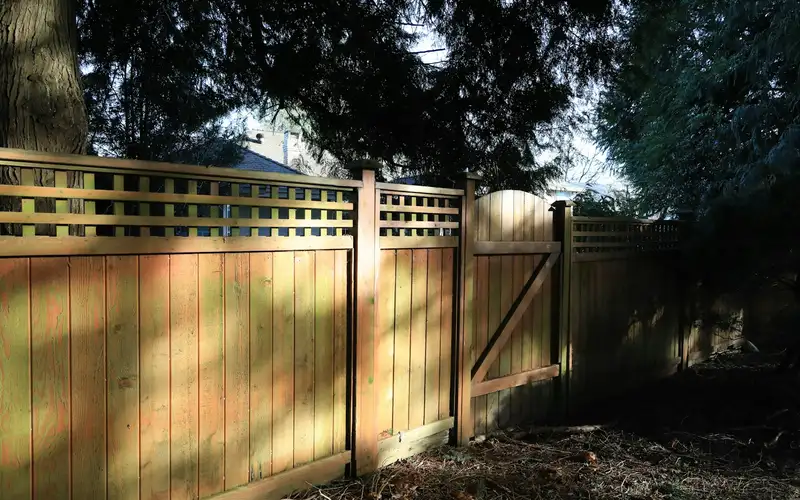
Wood Fences
Privacy, picket, stockade and split-rail fences in cedar or pressure-treated lumber, new or replaced.

Vinyl Fences
Low-upkeep PVC privacy, semi-privacy and picket fences, with matching gates.
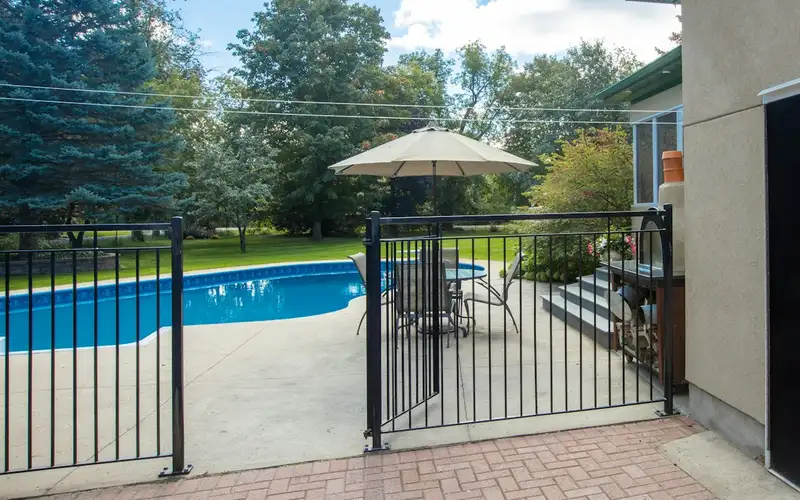
Chain Link & Aluminum
Galvanized or coated chain link and ornamental aluminum, including pool enclosures built to code.
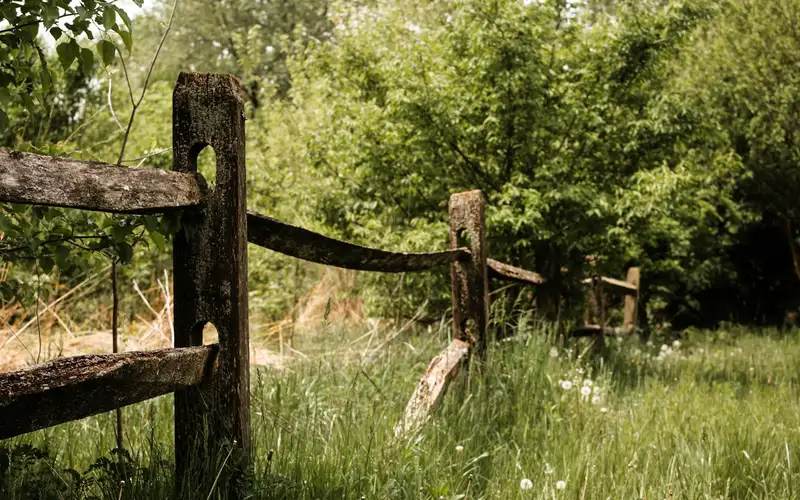
Fence Repair
Leaning or rotted posts, sagging gates, storm-damaged sections and broken pickets or panels.
Corner lot or front yard?
(978) 800-2452Tell us where the fence will run and roughly how tall you want it, and we'll connect you with a fence contractor who works to Melrose's height limits and permit process.
Permits
Fence permits in Melrose
A permit is required. The city's permitting guide names fences and walls as permit types and says, "Melrose Zoning mandates that sheds, fences, driveways, and retaining walls that are not regulated by code are required to be permitted." In other words, a fence short enough to escape the state building code still needs a city permit here.
Online filing. The guide says "All permits must be applied for online on the portal," with paper only in extreme circumstances, and that an application needs a valid plot plan highlighting the proposed work, depending on the scope (apply online). The Department of Inspectional Services is at City Hall, 562 Main Street (Inspection Services).
Fees. There is no separate fence fee. Under the fee ordinance as last amended July 17, 2023 (Ord. 2023-4), one- and two-family work is $15 per $1,000 with a $40 minimum plus a $15 administrative fee, and the fee triples when work starts without a permit (Permit Fees).
- Permit needed
- Yes: zoning requires fences and walls to be permitted
- Filing
- Online portal; plot plan depending on scope
- Fee (Ord. 2023-4)
- $15 per $1,000, $40 minimum, plus $15 admin; triple if work starts first
- Residential height
- Up to 7 ft; 3 ft in front yards and corner triangles
- Office
- Inspectional Services, City Hall, 562 Main St.
The state layer. Massachusetts' building code exempts "Fences not over seven feet" high (780 CMR R105.2), and its contractor chart lists no permit or supervisor license below seven feet, but Melrose zoning still calls for its own permit. Contractors who do fencing exclusively don't have to register as home improvement contractors, which also means the HIC Guaranty Fund generally won't cover a fence-only job (HIC contractor resources). A written contract is still wise. See our Massachusetts rules page.
Dig Safe. Massachusetts counts augering as excavation (c.82 §40). Call 811 at least 72 hours before digging post holes, not counting Saturdays, Sundays and legal holidays, and no more than 30 days ahead (c.82 §40A). The service is free, and Dig Safe lists a fence on your own property among the projects it wants to hear about.
Last verified November 2026. Fees, restrictions and deadlines on this page are due for re-checking by February 2027. New England Fence Pros refers homeowners to fence contractors; the contractor files the permit, not us.
Height and placement
Height limits, setbacks and corner lots in Melrose
The city's Regulations for Fences & Walls guide, marked "Updated 2025," sets these limits (guide index):
- Residential districts: "Fences, walls, and similar structures may be up to 7 ft. tall." Business and industrial districts have no height limit as long as traffic circulation isn't impeded.
- Front yards on ordinary lots: 3 feet at most within the required front yard setback, which is 20 to 25 feet depending on the district, or within the space between the front lot line and the house, whichever is less.
- Corner lots: 3 feet at most inside the triangle formed by measuring 20 feet from where the lot lines intersect. Outside that triangle, the cap is also 3 feet within 3 feet of the side lot line, and the frontage used to reach the main entrance is treated as the front yard.
- How it's measured: "Height is measured from the grade of land where the structure is installed."
- Old walls: "Retaining walls may be replaced in kind."
The guide doesn't address which side of the fence faces out or how close to the property line it can go; it points to the city's zoning code, Chapter 235, for the rest. The boundary itself is something a survey or the city can confirm. Separately, state law treats a fence that unnecessarily exceeds six feet and is put up maliciously to annoy a neighbor as a private nuisance (c.49 §21).
Pools
Pool fences in Melrose
Melrose's permitting guide says, "Pool applications shall include: fencing and security alarm details, location of the pool on a plot plan," and exempts pools under 2 feet in height from permits. Pool wiring is permitted separately, at $50 for an above-ground pool and $100 for an in-ground pool (Permit Fees). The city doesn't post its own barrier heights; Massachusetts applies the 2021 International Swimming Pool and Spa Code through 780 CMR, and the federal CPSC's advisory barrier guidelines recommend at least 48 inches with self-closing, self-latching gates. A pool fence also has to fit the 7-foot residential cap and the front-yard limits above.
Historic districts and wetlands
Historic districts and wetlands in Melrose
Main Street districts. The Historic District Commission issues Certificates of Appropriateness for exterior changes visible from a public way, including "signs, fences, walls, light fixtures, or similar devices," and no building permit issues in a district until the certificate does. Under the 2026 Historic District Ordinance (Chapter 131), the Downtown Melrose Historic District covers properties bordering Main Street from West and East Foster Streets to the south side of West and East Emerson Streets. A second district, the Benjamin Lynde House Historic District at 244 Main Street, was approved June 15, 2026 and takes effect once its map is filed with the City Clerk and recorded at the Registry of Deeds. The commission decides within 45 days, and at-grade terraces, walks and driveways are exempt.
Wetland bands. Melrose's Wetlands Ordinance (Chapter 231, 2007) sets a 100-foot buffer with two inner bands: 0 to 15 feet is no-disturbance, left in natural vegetation, and the first 20 feet is a no-construction zone, where lawns and landscaping are allowed but "structures and appurtenances" are not. The ordinance doesn't say whether a fence counts, so ask the Conservation Commission before setting posts that close; its FAQ notes that most landscaping within 100 feet of a resource area, "other than maintaining existing vegetation," "would require some sort of filing." The ordinance sets its own local filing fees on top of the state fee, so confirm the current amounts with the Conservation Commission.
Melrose's homes
A Victorian railroad suburb on ledge
The city says roughly 40% of its homes were built before 1900 (Historic Preservation), and its February 2022 Housing Production Plan says more than half were built before World War II. The 1981 state survey report traces Melrose's growth as a railroad suburb after 1845, with the Highlands built up from the 1890s into the early 1900s, two-family houses and three-deckers along Lebanon Street, and Victorian and Colonial Revival houses on the East Side.
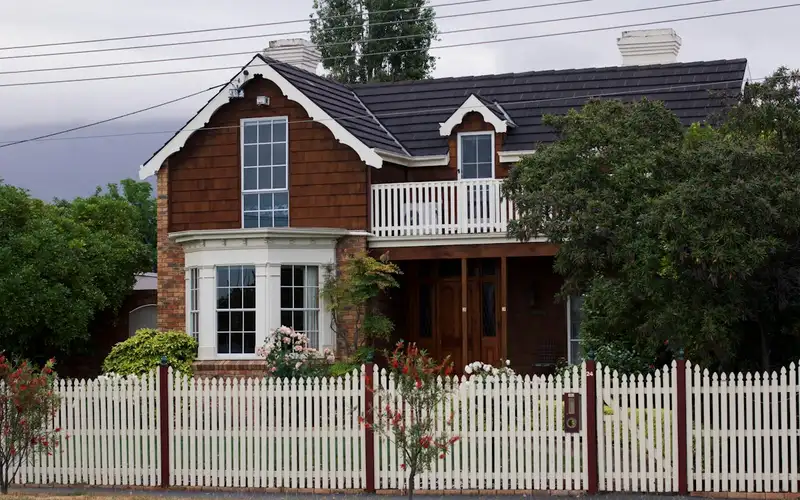
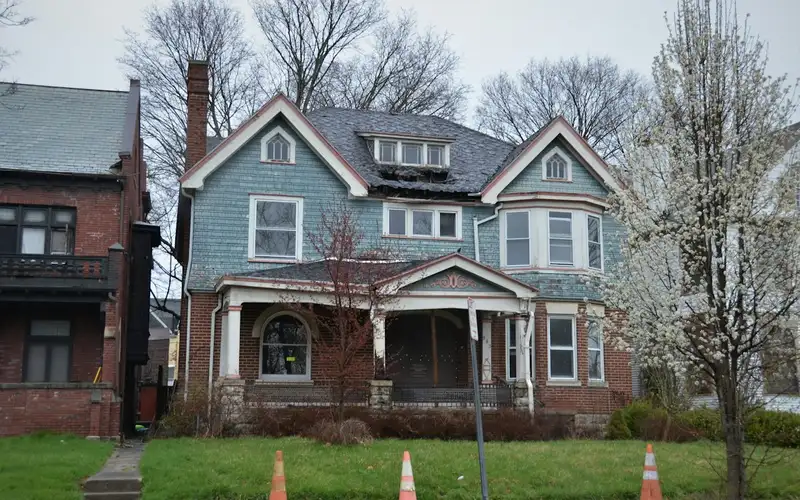
Below the lawns, the city's Open Space and Recreation Plan notes bedrock at or near the surface in the southeast, southwest and west of the city and calls foundation costs there "comparatively high," a hint that post holes may meet rock. The same plan names flooding "the greatest natural hazard facing the City," with the largest floodplains at Ell Pond and around Bennetts Pond Brook near Howard Street; the city's floodplain guidelines, written for stairs, porches and decks, ask that work there let floodwater pass, so ask the Conservation Commission how they treat a fence.
FAQ
Melrose fence questions
Do I need a permit for a fence in Melrose?
Yes. The city's permitting guide lists fences and walls as permit types and says Melrose zoning requires sheds, fences, driveways and retaining walls that the building code does not regulate to be permitted. Apply online; depending on the scope, the application needs a plot plan highlighting the work.
How high can a front-yard fence be in Melrose?
Three feet, within the required front yard setback (20 to 25 feet depending on the district) or the space between the front lot line and the house, whichever is less. Elsewhere in residential districts the limit is 7 feet, measured from the grade where the fence is installed.
What is the corner lot rule in Melrose?
On a corner lot, nothing over 3 feet may sit in the triangle formed by measuring 20 feet along the lot lines from where they meet. Outside the triangle, a fence within 3 feet of the side lot line is also held to 3 feet, and the frontage you use to reach the main entrance counts as the front yard.
Does a fence on Main Street need historic approval?
If the property is in the Downtown Melrose Historic District, a fence or wall visible from a public way needs a Certificate of Appropriateness from the Historic District Commission, and no building permit issues until it does. The commission has 45 days to decide.
What does it cost me to use New England Fence Pros?
Nothing. Asking is free for homeowners; the contractor prices the job, and the price and contract are between you and them.
Nearby